
The Ultimate Guide to Bulgogi: Korea's Sweet and Savory BBQ for International Travelers
If you are an international traveler trying Korean food for the first time and feeling slightly intimidated by fiery red, spicy dishes, your most perfect and safe first choice is undoubtedly 'Bulgogi'. Translated literally, the name is a combination of 'Bul' (Fire) and 'Gogi' (Meat).
However, rather than a fiercely burning, tough barbecue, it is Korea's representative meat dish where a melt-in-your-mouth tender texture and a sweet and savory soy-based marinade create a fantastic harmony. We invite you to the deep, rich world of Bulgogi, a dish that pleasantly surprises foreigners and makes them realize, "Korean food isn't just about being spicy."
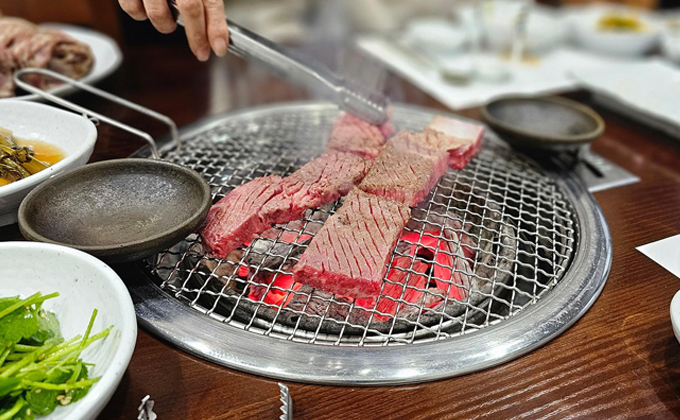
The History of Sweet and Savory BBQ
The history of Bulgogi dates back thousands of years to 'Maekjeok', a skewered meat dish from the Goguryeo era, which eventually evolved into 'Neobiani', a premium royal court dish favored by kings and high-ranking noblemen during the Joseon Dynasty.
This luxurious dish—where beef was thinly sliced, marinated with precious soy sauce and honey, and grilled over charcoal—transformed after the 1950s into the popular 'Seoul-style Bulgogi', where thinly sliced meat is simmered in a shallow broth with glass noodles. Today, Bulgogi has become a definitive signature of K-Food, proudly headlining the first page of menus at Korean restaurants anywhere in the world.
Ultimate Tenderness Crafted by Nature
What surprises foreigners the most when they first taste Bulgogi is its ultimate 'tender texture' that barely requires chewing. This magical texture comes not from artificial meat tenderizers, but from the natural wisdom of aging the meat with grated Korean pear and onion.
The natural enzymes in the fruit tenderize the meat, while the well-fermented soy sauce base mixes with sesame oil and garlic to create the perfect 'Dan-jjan' (sweet and savory) flavor profile that people all over the world adore. The aroma that rises as the thin slices of meat caramelize on the grill is a powerful appetizer in itself.
A Practical Gourmet Course from a Traveler's Perspective
Since it is not irritatingly spicy, this menu is highly optimized for family travelers or those sensitive to strong spices. Enjoy it the authentic Korean way.
The Aesthetics of Ssam (Wrap) Culture
To enjoy Bulgogi at a restaurant to the absolute fullest, you must experience the 'Ssam' culture. You can simply place the meat on top of freshly steamed white rice, or you can place the meat, garlic, and Ssamjang (soybean paste) onto a fresh lettuce leaf and wrap it up roundly like a small pouch. The sweet meat marinade and the fresh vegetable juices of the lettuce blend in your mouth, offering a perfect balance of nutrition and flavor.
Grilled vs. Hot Pot: A Choice Based on Preference
Bulgogi is broadly divided into two main styles. If you want to maximize the smoky flavor, choose the 'Gridiron Grilled' style, which is roasted crispy over charcoal. On the other hand, if you prefer a comforting broth, order the 'Hot Pot' (Seoul-style). The meat is placed on a special domed pan and simmered with glass noodles and mushrooms in a sweet beef broth, offering the unique joy of mixing the rich soup with your rice.
Visiting Elegant Korean Restaurants Near Royal Palaces
Unlike the loud and bustling atmosphere of Samgyeopsal (pork belly) restaurants, Bulgogi is best enjoyed in a refined and calm setting. If you order a Bulgogi set meal at a traditional Hanok restaurant in Insadong or near grand palaces in Seoul like Gyeongbokgung or Changdeokgung, you can fully savor the luxurious and relaxed dining etiquette of Korea.
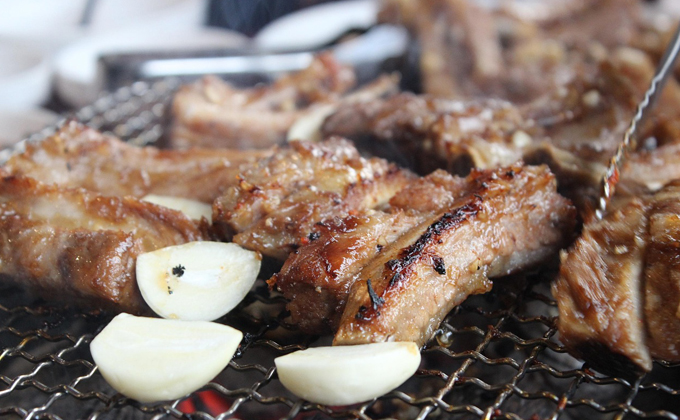
Dining Tips to Keep in Mind
The soy sauce marinade for Bulgogi fundamentally contains fermented soybeans, garlic, sesame (or sesame oil), and sugar. Therefore, if you have any related food allergies, it is highly recommended to check with the staff before ordering.
Additionally, the marinade might taste somewhat sweet to Western palates. If the sweetness feels overwhelming, we recommend pairing it with tangy and spicy Kimchi to cleanse your palate, or wrapping the meat generously in fresh vegetable leaves (Ssam) to naturally neutralize the sweetness.
Key Takeaways
- As it lacks any spicy heat, it is Korea's representative beef BBQ dish that foreigners and children can enjoy safely and deliciously.
- The meat is naturally aged using Korean pear and onion, boasting a tender texture that melts in your mouth like cotton candy.
- The perfect 'Dan-jjan' (sweet and savory) marinade, based on soy sauce and sesame oil, captivates palates worldwide.
- The flavor balance is at its absolute best when paired with white rice or enjoyed through the 'Ssam' culture of wrapping it in fresh lettuce.
- It makes for an excellent addition to your itinerary for a refined and relaxing lunch or dinner near historical palaces or at traditional Hanok restaurants.