
The Ultimate Guide to Gimbap: The Perfect Korean Roll for Travelers on the Go
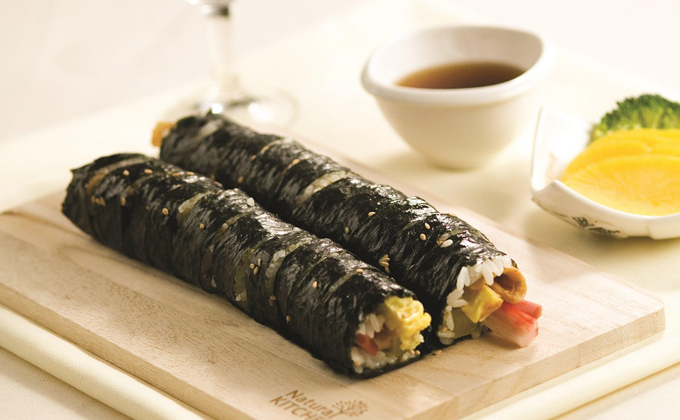
The menu item that has recently taken global social media by storm and caused massive sell-outs in grocery stores worldwide is none other than 'Gimbap'. Combining 'Gim' (black seaweed) and 'Bap' (cooked rice), this intuitively named dish is often introduced to Westerners as a Korean sushi roll.
However, it is completely different from Japanese-style rolls, which use raw fish and vinegar-seasoned rice. Gimbap is Korea's own unique creation, where the rice is tossed with savory sesame oil and tightly packed with an abundance of cooked meats and vegetables. Let us explore the charm of Gimbap, a highly nutritious meal and the perfect takeout option that saves precious time for busy travelers on the go.
An Everyday Fast Food Filled with the Excitement of a Picnic
Historically, Gimbap originated from Korea's traditional 'Bokssam' culture, where people would wrap rice in seaweed or leafy greens on the first full moon of the Lunar New Year to wish for good fortune. In modern times, it has settled into its current form: a cylindrical roll tightly packed with diverse ingredients.
For Koreans, Gimbap is a soul food that evokes deep nostalgia and serves as the ultimate symbol of a 'Field trip' (Sopung), reminding them of mothers waking up at the crack of dawn to lovingly prepare it. Today, it has evolved into the most practical K-fast food, sustaining the daily lives of modern locals and travelers alike, with endless ingredient variations ranging from Bulgogi and tuna mayo to Tonkatsu (pork cutlet) and cheese.
Unstoppable Savory Flavors and a Crunchy Texture
The core ingredient that absolutely dominates the flavor of Gimbap is, without a doubt, 'Sesame oil'. As you walk past a local eatery, the heavy, nutty aroma of sesame oil piercing your nose powerfully stimulates your appetite. This oil gently coats the rice grains, tying the diverse flavors of the inner ingredients together into one harmonious bite.
Furthermore, Gimbap is a dish where the very act of chewing is incredibly enjoyable. The fluffy egg strips, soft spinach, and above all, the yellow pickled radish (Danmuji)—which can be considered the true identity of Gimbap—deliver an ultimate 'crunchy' texture that possesses the magical power to make you eat piece after piece endlessly.
A Practical Gourmet Course from a Traveler's Perspective
Requiring neither fork nor knife, Gimbap is the greatest weapon for maintaining your travel pace while guaranteeing a satisfyingly full stomach.
Coating it in Tteokbokki Sauce at a Bunsikjip
If you decide to sit down and eat at a local snack eatery (Bunsikjip), there is a fantastic pairing formula you must never forget: always order the spicy, thick red 'Tteokbokki' alongside it. Dipping a piece of savory, sesame-oil-infused Gimbap deep into the spicy and sweet Tteokbokki sauce is the ultimate gourmet method beloved by all Koreans.
A Romantic Picnic at Han River Park
On a day with beautiful weather, try getting some Gimbap to-go from an eatery near your accommodation or the entrance of a Han River Park. The authentic way to eat it is to slowly peel back the silver aluminum foil it is wrapped in, holding it in your hands and taking bites. Eating Gimbap while sitting on a picnic mat on the grass and feeling the river breeze will complete one of the most romantic scenes of your trip.
Convenience Store Triangle Gimbap and Train Travel
If you have a packed schedule requiring you to visit museums or catch the KTX (high-speed train) to another city, stop by a 'Convenience store'. The triangularly packaged 'Triangle gimbap' (Samgak-gimbap) offers dozens of flavors at incredibly low prices. When paired with a cup of instant ramen, it becomes the ultimate cost-effective meal on the road.
Dining Tips to Keep in Mind
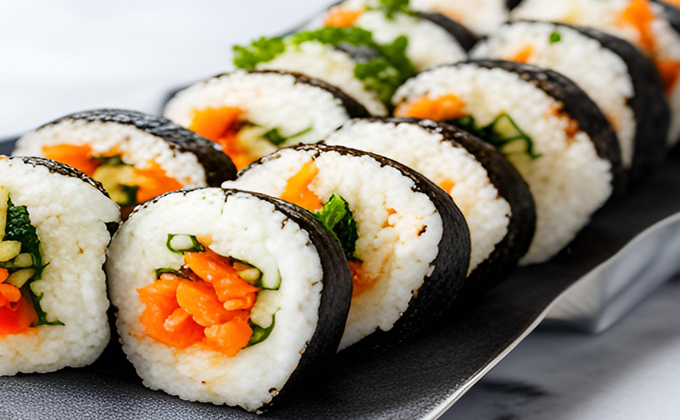
Because Gimbap is made by rolling various cooked ingredients and kept at room temperature, it is highly sensitive to heat. During hot and humid weather, it can spoil very easily. Therefore, it is safest to consume it immediately—preferably within 2 hours of purchase—rather than leaving it out for long periods.
Additionally, the universally popular Tuna Gimbap contains a generous amount of mayonnaise, and even basic Gimbap essentially includes egg and crab stick (processed seafood). Travelers with related food allergies must check the ingredients carefully when ordering.
Key Takeaways
- It is a uniquely Korean roll where the rice is seasoned with savory sesame oil instead of vinegar, and stuffed tightly with cooked ingredients.
- It is the ultimate takeout meal that can be easily eaten by hand amidst a busy travel itinerary filled with museum visits and park strolls.
- The perfect textural contrast between the soft egg and the crisp, crunchy yellow pickled radish (Danmuji) is highly addictive.
- We strongly recommend the local method of ordering spicy-sweet Tteokbokki at a snack eatery and dipping the Gimbap into the red sauce.
- Because it contains a mix of ingredients that can spoil quickly, consume it as soon as possible after purchase and be mindful of allergen-inducing ingredients.