
The Ultimate Guide to Hanjeongsik: Korea's Extravagant Royal Banquet That Will Break the Table
If you are a traveler looking to experience Korea's fine dining and the ultimate boss of its food culture, you must choose 'Hanjeongsik' without hesitation. Comparable to a Western multi-course meal, Hanjeongsik is an extravagant traditional banquet where side dishes—combining diverse ingredients and dozens of cooking methods—cover the table like a beautiful Oriental painting.
This dish, which invariably appears in K-drama scenes featuring wealthy conglomerate families or formal meeting ceremonies, boasts a deep elegance that is entirely different from spicy and stimulating street food. Let us introduce you to the absolute pinnacle of Korean gastronomy, imbued with a thousand years of philosophy and dedication.
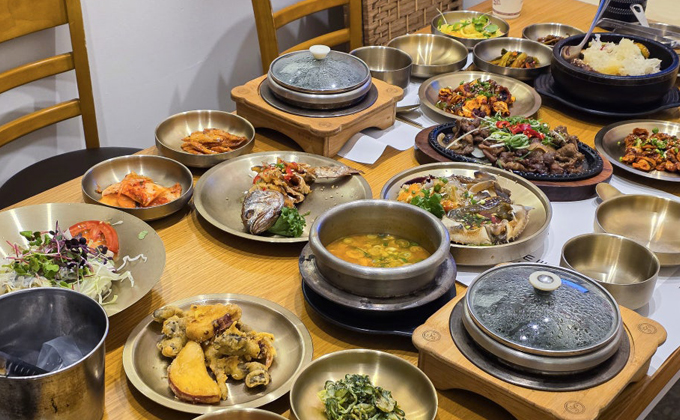
A Modern Banquet Evolved from the King's Royal Table
The magnificent aura of Hanjeongsik has its roots in the 'Surasang', the 12-dish royal table that the kings of the Joseon Dynasty received every morning and evening. This culture, where royal chefs meticulously prepared rare ingredients gathered from the mountains and seas across the country, was passed down to the noble Yangban families (the ruling class) and settled into Korea's unique 'Jeong' (affection and hospitality) culture of treating precious guests with utmost lavishness.
In modern times, it has brilliantly evolved to allow foreigners to enjoy it comfortably and relaxingly. It cleverly combines the traditional method of laying out dozens of dishes at once with a course-by-course method—serving appetizers, main dishes, the rice meal, and desserts sequentially—much like a Western tasting menu.
The Neat, Fermented Taste that Reduces Stimulation
When Hanjeongsik is served, you are first visually overwhelmed by the plates embroidered with the five traditional colors (Obangsaek), which symbolize the harmony of the universe and nature. Gujeolpan, a dish where you wrap eight different vegetables in a thin wheat crepe, is the absolute highlight of this beauty.
The core of Hanjeongsik's flavor is 'Jeonggalham' (neatness and refinement), which maximizes the original taste of the ingredients by reducing the use of stimulating red pepper powder and garlic, and instead utilizing long-aged soy sauce, sesame oil, and doenjang (soybean paste). From the tender Braised Short Ribs (Galbi-jjim) that melt in your mouth like cotton candy, to the Mung Bean Pancakes (Nokdu-jeon) that are crispy on the outside and moist on the inside, and the chewy Japchae (glass noodles), the highest quality ingredients from land, sea, and air perform a symphony of diverse textures.
A Practical Gourmet Course from a Traveler's Perspective
Hanjeongsik is not just a simple meal to fill your stomach. Take your time, conduct the rhythm of the flavors, and fully enjoy this elegant gastronomic event.
Reserving a Restaurant in the Traditional Streets of Bukchon or Insadong
The ambiance is doubled when you taste Hanjeongsik in a neighborhood where old tiled roofs and a traditional atmosphere breathe, rather than in a forest of modern city buildings. Reserve a high-end Hanjeongsik restaurant located in Seoul's Bukchon Hanok Village, Insadong, or Samcheong-dong in advance, and enjoy a quiet, classy dinner with your family or partner in a private room.
Controlling the Harmonious Tempo Between Rice and Side Dishes
When dozens of plates are laid out, do not panic; simply ride the rhythm of the meal. Use the white rice and clear soup served in brass bowls during the main course as your base camp to design your meal. The trick is to alternately place seasoned vegetables (Namul) or pickled vegetables (Jangajji) on top of the white rice. After eating greasy pancakes (Jeon) or meat, it is important to control the tempo by sipping the sour Dongchimi (radish water kimchi) broth to cleanly wash your palate.
A Sweet Finish with Sikhye and Sujeonggwa
At the end of the course, sweet traditional drinks are provided. Drink cold Sikhye (a sweet fermented rice drink) or Sujeonggwa (a cinnamon punch with a sharp, spicy kick), and experience the perfect finish that comfortably digests a stomach that might feel burdened from overeating.
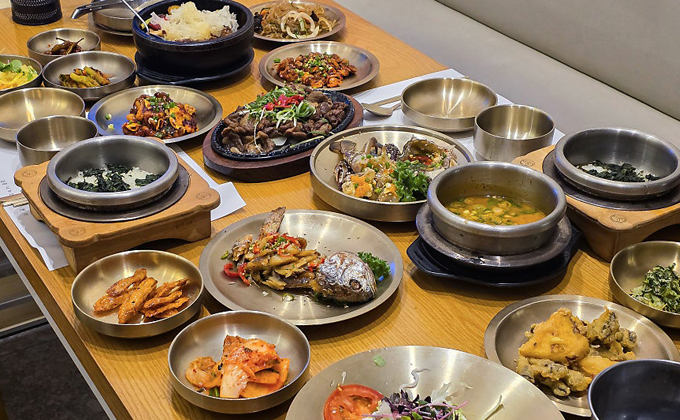
Dining Tips to Keep in Mind
Because Hanjeongsik is a comprehensive dish that encompasses seafood, meat, and vegetables from all over the country, the range of allergy-inducing ingredients is very wide, including fermented salted seafood, fermented soybean paste (Doenjang), pine nuts, and sesame seeds. If you have specific allergies, it is safest to inform the restaurant in advance when making a reservation.
Additionally, due to the nature of a multi-course meal, dining takes at least 1.5 to 2 hours. Therefore, it is wise to allocate your time generously and not pack your travel itinerary too tightly after the meal.
Key Takeaways
- It is the highest-grade course meal in Korean gastronomy, inheriting the dignity of the 'Surasang' eaten by kings during the Joseon Dynasty.
- It produces a neat, deep, and savory flavor of the original ingredients by reducing spiciness and using natural fermented seasonings aged for a long time.
- A spectacular table full of diverse ingredients from land, sea, and air—such as Galbi-jjim, Japchae, Jeon, and Namul—maximizes visual and gustatory pleasure.
- We recommend reserving a restaurant in neighborhoods with traditional charm, like Bukchon Hanok Village or Insadong, for a relaxing dinner.
- Advance notice of allergies is essential as various ingredients are used, and you should leave plenty of time in your itinerary considering the long meal duration.