
The Ultimate Guide to Korean Desserts: Where Traditional Chewiness Meets Trendy Cafe Streets
The crowning touch of a perfect gourmet trip always belongs to sweet desserts. After filling your stomach with savory Bulgogi and hearty Bibimbap, it is now time to meet Korean desserts that will softly wrap your taste buds and provide a delightful finish.
The Korean dessert market radiates two dramatically different charms simultaneously: from traditional 'Tteok (rice cakes) and Hangwa (traditional confections)' naturally sweetened with grains and honey, to visually stunning 'Modern Bingsu (shaved ice) and bakery items' that are taking global Instagram feeds by storm. We invite you into a uniquely Korean sweet retreat—elegant and deep, completely distinct from overly sugary Western cakes.
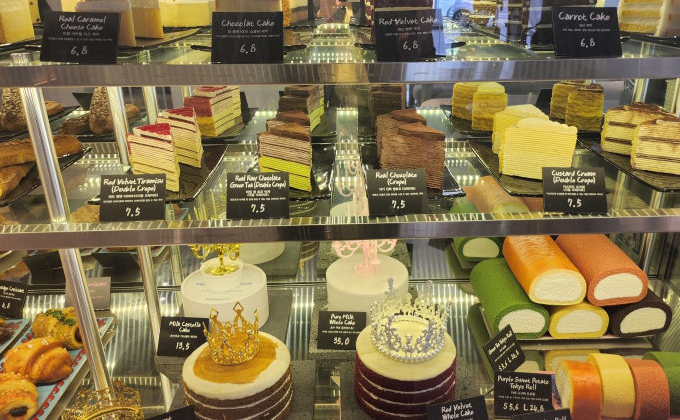
From Noble Ancestral Rites to Hip Fusion Trends
Korea's representative traditional desserts are 'Tteok', made by steaming and pounding rice, and 'Hangwa', sweetened with honey and malt syrup. In the agrarian society of the past, rice and honey were incredibly precious ingredients. Therefore, these were luxurious foods served only during the most sacred rituals, such as major holidays or ancestral memorial services (Jesa).
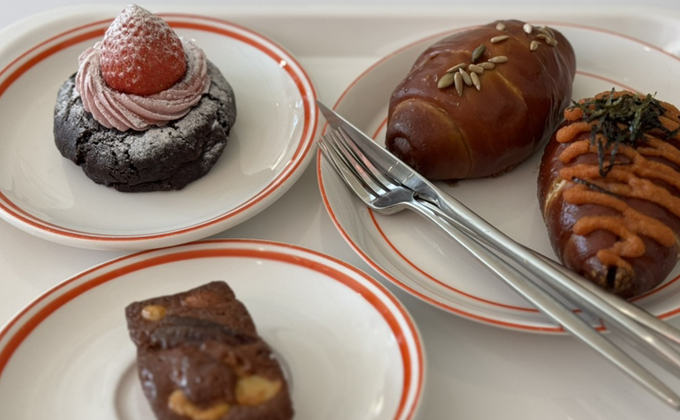
Fast forward to the 21st century, Korea's explosively growing cafe culture has gorgeously resurrected these traditional treats. The so-called 'Halmaennial' (Grandma + Millennial) fusion trend—such as placing Yakgwa (a deep-fried traditional honey cookie) on top of a Western-style cream cheese cookie, or dusting Croffles with savory soybean powder—is currently driving the younger generation and global fandoms absolutely wild.
The Harmony of Pleasant Chewiness and Subtle Sweetness
The most common praise left by foreign tourists after tasting Korean desserts is, "I love that it's not too sweet." Eliminating the artificial and overpowering taste of refined sugar, the natural nuttiness of grains and the delicate sweetness of grain syrup (Jocheong) softly coat the tongue.
Just as important as the taste is the texture that Koreans are obsessed with: 'Chewiness'. When you bite into a Chapssal-tteok (glutinous rice cake), the elastic texture—stretching much more densely than a marshmallow—delights the mouth. Meanwhile, Yakgwa leaves a strong, lingering impression with its dense, fudgy texture that is sticky on the outside and moist on the inside.
A Practical Gourmet Course from a Traveler's Perspective
Enjoying desserts in Korea goes far beyond the simple act of eating a snack; it is an essential travel activity that involves consuming aesthetic and sensory spaces.
An Elegant Rest at a Bukchon Hanok Cafe
If you want to feel the deep, authentic mood of Korea, visit the Bukchon Hanok Village or Insadong in Jongno-gu, Seoul. Sit by the window of a Hanok (traditional Korean house) cafe remodeled to highlight its traditional tiled roof. Gazing out at the tranquil scenery while enjoying a cup of warm Yuja-cha (Citron tea) paired with traditional refreshments will offer you the most elegant and peaceful rest of your trip.
Exploring the Hipster Cafe Streets of Seongsu-dong
Take a stroll through the cafe streets of Seongsu-dong, a former industrial factory zone that has been spectacularly transformed. It is incredibly fun to browse through modern bakeries full of personality and flashy fusion desserts. Here, order an 'Iced Americano' filled to the brim with ice, and enjoy the classic Korean pairing that perfectly balances and cleanses the sweetness of the desserts.
A Summer Must-Do: Experiencing Patbingsu
If you visit Korea during the sweltering summer, you must try 'Patbingsu' (Shaved Ice), featuring finely shaved milk ice topped with sweet red beans and chewy Injeolmi rice cakes. Tasting premium Bingsu piled high with a mountain of seasonal fruits (like mango or melon) at a large franchise cafe or a luxury hotel lounge makes for an outstanding gastronomic experience.
Dining Tips to Keep in Mind
Traditional desserts like Tteok and Hangwa very frequently use various nuts—such as sesame seeds, pine nuts, and peanuts—as garnishes or mixed directly into the dough. If you have a nut allergy, you must check the ingredients with the vendor before purchasing.
Additionally, because Tteok is highly glutinous and sticky, there is a risk of choking if swallowed quickly without chewing. It is safest to cut it into small pieces and chew it slowly and thoroughly while drinking warm tea.
Key Takeaways
- Korea's dessert culture boasts a diverse spectrum, ranging from traditional sweets made of rice and honey to modern shaved ice.
- Its greatest characteristics are the subtle, natural sweetness of grains instead of overpowering sugar, and an ultimate 'chewy' texture.
- Visit traditional teahouses in Bukchon Hanok Village or Insadong to enjoy an elegant dessert time amidst tranquil scenery.
- It is highly recommended to experience the combination of fusion desserts and Iced Americanos at trendy cafes in Seongsu-dong or Yeonnam-dong.
- Since nuts are frequently used in traditional desserts, be sure to check for allergens, and always cut rice cakes into small pieces to eat slowly.