
Pocheon Bidulginang Falls Travel Guide: Explore the Geological Wonder Seen in Historical K-Dramas
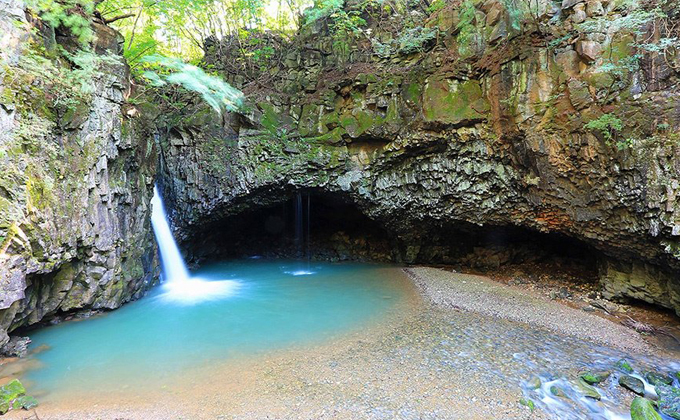
If you have ever watched a Korean historical drama and wondered where those mysterious ravines, caves, and hidden waterfall scenes were filmed, Bidulginang Falls is one of the answers. Located in Pocheon, this compact but visually striking site is famous for its basalt cliffs, dramatic rock formations, and emerald-toned pool below the falls.
The location is also known through K-content, especially for its association with historical productions such as Kingdom. What makes it stand out, however, is that the place would still feel extraordinary even without the filming connection. The combination of volcanic geology and intimate scale gives it an atmosphere that feels unusual, secluded, and naturally cinematic.
A Small Waterfall with Outsized Visual Impact
Official tourism information identifies Bidulginang Falls as Natural Monument No. 537 and highlights the grand columnar joints surrounding the valley. Those basalt formations are the real stars of the site. They frame the waterfall in dark geometric textures that contrast beautifully with the lighter water below.
The result is a place that feels both calm and dramatic. It is not a huge waterfall, and that is part of its charm. The site is compact enough to experience closely, yet visually rich enough to leave a much bigger impression than its size suggests. The cave-like shape around the falls also explains why so many visitors remember the place instantly after seeing it once.
How to Enjoy the Visit Better
Although the waterfall itself is the main destination, the surrounding area makes the trip more worthwhile when you slow down and treat it as part of a broader nature outing.
Photograph for texture, not just the waterfall itself
A lot of first-time visitors aim only at the falling water, but the stronger composition usually includes the rock wall. Try lowering your exposure slightly if you are shooting with a smartphone. That helps keep detail in both the water and the basalt columns, making the scene look more dramatic and less washed out.
Add Hantangang Sky Bridge to the route
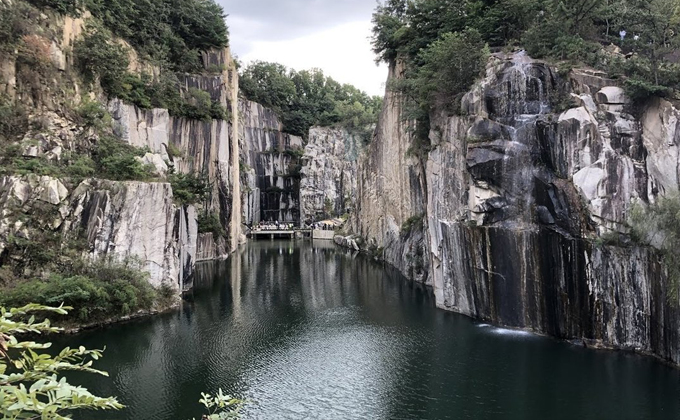
A short distance away, Hantangang Sky Bridge adds a completely different perspective to the day. After seeing the enclosed, cave-like feel of the falls, the bridge opens the landscape up into wide canyon views. That contrast makes the trip feel much more substantial than a single-stop outing.
Plan transportation with patience if you are not driving
This area is reachable by public transportation, but getting there can involve transfers and extra waiting time compared with city attractions. If you are using buses from the Seoul or Uijeongbu side, build in buffer time and think of the trip as a nature day rather than a fast urban hop. Renting a car makes the route easier, but it is not the only option.
Things to Know Before You Go
Because Bidulginang Falls is protected, visitors are expected to stay on the designated observation path and deck areas rather than entering the water or climbing into restricted sections. That rule protects both the landscape and the visitor. It is especially important after rain, when surfaces can become slick.
Tourism and heritage-route information lists the site with typical viewing hours of 9:00 a.m. to 6:00 p.m., and admission is generally free. Still, severe weather or local safety controls can affect access, so checking conditions before departure is wise. Good shoes matter here more than outfit styling, since there are steps, moisture, and uneven footing.
Quick Summary
- A dramatic geological site in Pocheon known for basalt column cliffs, a waterfall, and a cave-like ravine atmosphere.
- Recognized as Natural Monument No. 537 and part of the wider Hantangang geopark landscape.
- Popular with K-drama fans, especially those interested in historical-drama locations.
- Best enjoyed with a photo approach that includes the rock texture, not only the water.
- Stay on the decked route, wear shoes with grip, and confirm access conditions before you go.