
Pohang Cheongha Gongjin Market Travel Guide: Walk Through the Real Market Behind Hometown Cha-Cha-Cha
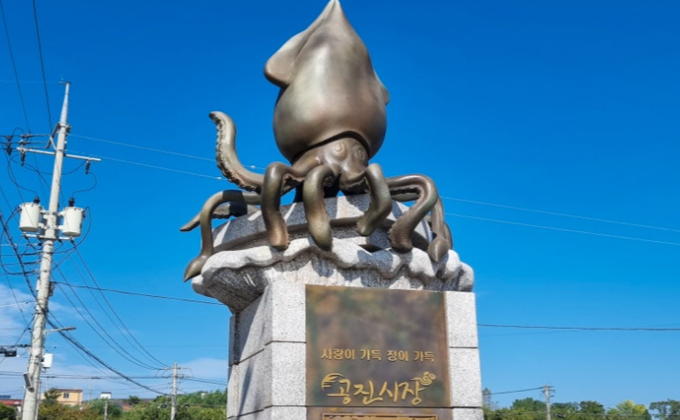
If what you loved most about Hometown Cha-Cha-Cha was not just the romance but the warmth of village life, Cheongha Gongjin Market is one of the most rewarding places to visit. Located in Pohang, this market became widely known as the real-world setting behind Gongjin Market in the drama. The appeal is not only that it looks familiar on screen. It is that the place is still a living local market rather than a sealed-off set.
That difference matters. Instead of entering a place built only for visitors, you are stepping into a space where local people still shop, sell produce, and move through daily routines. It gives the trip a warmth that many filming locations do not have.
A Fictional Village Center with Real Everyday Life
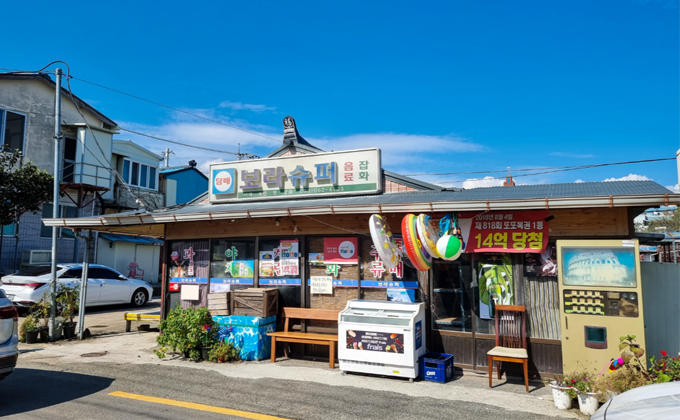
One of the most satisfying things about visiting this market is seeing how a fictional drama village was built on top of a real local place. Official tourism materials note that this is the actual market used for Gongjin Market in the drama, and visitors can still find signs marking where key filming-related storefronts and spots are located.
For fans, details such as preserved façades and recognizable corners are enough to trigger instant memories. For non-fans, the market still works because it offers something broader: a glimpse of a traditional Korean five-day market rhythm that feels much more regional and personal than a big-city shopping stop.
How to Enjoy the Visit Well
To get the most out of the market, it helps to think beyond one or two drama screenshots.
Photograph the set details, but keep the whole market in view
Yes, you should look for the familiar façades and the market signs that help guide visitors through the filming points. But some of the best photos here come from including everyday activity in the frame: crates, awnings, older storefronts, and the open central space. That mix of drama memory and real market life is what makes the place different.
Visit on a five-day market date if possible
Official tourism information describes the market as operating on the traditional five-day cycle, opening on dates ending in 1 and 6. Those are the days when the market feels fullest and most energetic. If your schedule allows, visiting then gives you a much stronger sense of how the place functions as a real local hub rather than only as a filming site.
Carry a little cash for snacks and small purchases
Small local markets in Korea increasingly take cards, but having a modest amount of Korean won still makes life easier when you want to buy quick snacks or low-priced items. More importantly, it lets you interact more naturally with vendors without slowing the flow of the market. That matters in a place built around everyday routines.
Things to Know Before You Go
This is an active local market, not a drama museum. That means visitors need to be particularly mindful about where they stop, how they take photos, and whether they are blocking working vendors. Avoid touching goods without permission or creating long photo setups in the middle of narrow walking routes.
On market days, traffic and parking can become busier than first-time visitors expect. If you are driving, arriving earlier in the day usually makes the visit smoother. If you are coming mainly for photos, weekdays or non-peak hours may give you a calmer atmosphere, but if you want the most authentic market energy, the five-day market date is the better choice.
Quick Summary
- The real-life market used as Gongjin Market in Hometown Cha-Cha-Cha.
- Especially enjoyable because it remains an active local market, not just a preserved set.
- Best visited on dates ending in 1 and 6 if you want the full traditional five-day market atmosphere.
- Good for low-key drama photos, local snacks, and a more everyday side of regional Korea.
- Be respectful of vendors and avoid turning a working market into a blocked photo zone.
🗺️ Getting There (Google Maps)