
Gangneung Hyangho Beach BTS Bus Stop Travel Guide: A Small Seaside Set That Became a Global Pilgrimage Stop
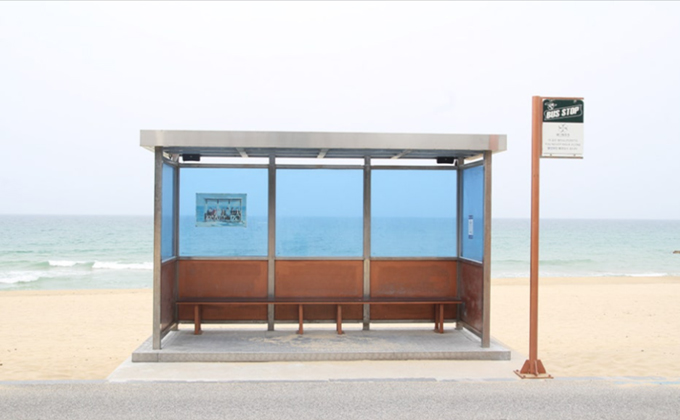
For K-pop fans, few travel moments feel as immediate as standing inside an album image you have known for years. At Hyangho Beach near Jumunjin in Gangneung, that feeling arrives almost instantly. The now-famous BTS Bus Stop is modest in size, but emotionally outsized. One bench, one bus-stop frame, one wide East Sea horizon, and suddenly the world of YOU NEVER WALK ALONE feels real.
The site is most closely associated with BTS’s 2017 album package for YOU NEVER WALK ALONE, which included the era-defining song “Spring Day.” The original structure was created for jacket photography rather than everyday transport, but the location became so meaningful to fans that the city later reinstalled it as a permanent attraction. That is part of why the place remains powerful. It began as a temporary image and turned into a lasting destination through collective affection.
Why This Stop Matters More Than Its Size Suggests
Strictly speaking, this is not and never was a functioning public transit stop. It was built as a photographic set near the beach. The original was removed after filming, but because fans from around the world kept coming to look for it, Gangneung restored the bus stop in the same spirit and location area as a tourism feature. That history matters because it explains the strange emotional tone of the place. It is both a reconstruction and something deeply sincere.
The appeal is not architectural complexity. It is emotional economy. The bus stop stands alone against the sea, which makes the imagery of waiting, longing, comfort, and distance feel immediate. That is one reason “Spring Day” continues to resonate here so strongly. Even visitors who are not ARMY often understand the mood as soon as they arrive.
How to Get Better Photos and a Better Experience
You do not need a complicated plan, but a little timing and awareness make a major difference.
Go in the morning for cleaner color and gentler crowds
Because the beach faces east, morning light usually gives the bus stop, sand, and sea their clearest color separation. If you want the bright, airy feel that many fans associate with the album imagery, earlier is better. Morning also tends to make crowd management easier, especially outside peak travel season.
Use the bench and horizon together
Many visitors focus only on standing directly in front of the sign, but the most effective photos usually include more of the horizon line and the negative space around the stop. Sit on the bench, turn partly toward the sea, or leave extra space around the structure. The loneliness of the frame is part of the point. That emptiness is what makes the image feel so recognizably BTS.
Keep walking after your photos
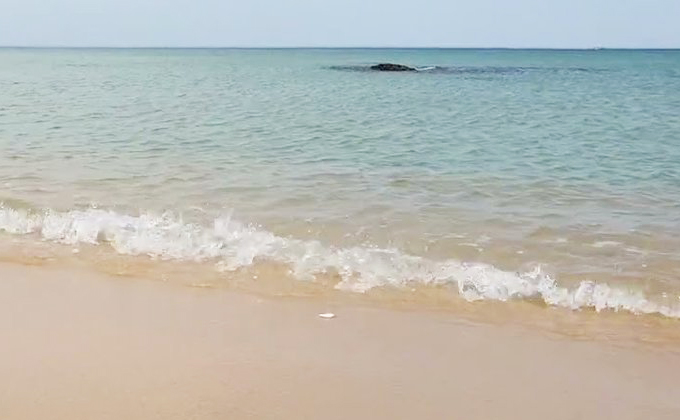
Once you finish at the bus stop, continue along the beach instead of leaving immediately. Hyangho Beach and the broader Jumunjin coastal area are worth seeing in their own right. A longer seaside walk makes the stop feel less like a queue-based photo mission and more like a proper East Coast outing. In good weather, the sea itself becomes half the reason to come.
Things to Know Before You Go
This is one of those places where manners directly affect everyone else’s experience. On weekends and in warmer months, there can be a real line for photos. The bus stop is small, the compositions are obvious, and nearly everyone wants a clear frame. Take your shots, check them quickly, then let the next person have a turn.
The other major factor is wind. This is a genuine beach location, not a sheltered urban installation. Hair, hats, scarves, and loose layers can all become uncooperative fast. In colder months, the wind chill can feel stronger than expected, so dress for the coast, not just for the photo.
Quick Summary
- One of the most iconic BTS pilgrimage stops in Korea, tied to the YOU NEVER WALK ALONE / “Spring Day” era.
- Originally built for album jacket photography, then reinstalled because of overwhelming fan interest.
- Best visited in the morning for clearer light, easier color, and often a calmer atmosphere.
- Strongest photos usually include both the bus stop and a generous slice of open sea and sky.
- Expect other fans, possible wait times, and strong coastal wind throughout the year.
🗺️ Getting There (Google Maps)