
Seoul Euljiro ‘Hipjiro’ Travel Guide: Industrial Alleys by Day, Trendy Hidden Bars by Night
Some Seoul neighborhoods impress because they are polished. Euljiro’s Hipjiro area became famous because it was not. For decades, the district was associated with printing shops, hardware businesses, lighting stores, repair workshops, and the rough practical labor of central Seoul. Then a younger generation of artists, café owners, drinkers, photographers, and curious night wanderers began using that same physical texture instead of erasing it.
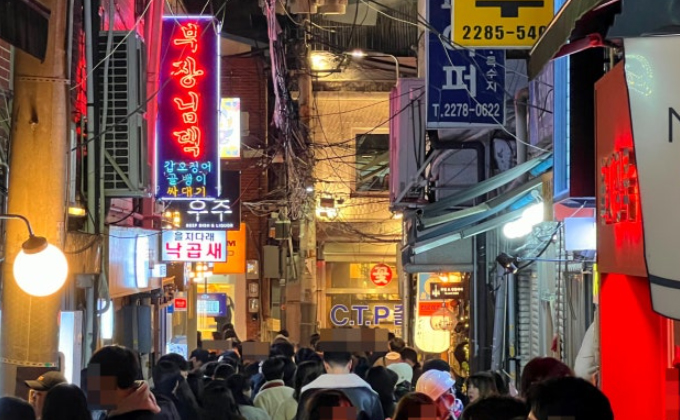
The result is Hipjiro, a nickname that combines “hip” and “Euljiro.” It is one of Seoul’s clearest examples of new-retro urban culture: rusty shutters outside, moody bars upstairs, old signboards beside stylish cocktails, and narrow alleys that feel ugly at first glance until they suddenly feel magnetic. For some BTS fans, the area is also recognizable through the group’s 2021 Season’s Greetings imagery, which helped cement Euljiro’s retro appeal in the eyes of international visitors.
Why Hipjiro Feels So Distinctly Seoul
What makes Euljiro special is that it was not rebuilt into a fake heritage zone. The charm comes from active tension between past and present. Real workshops still operate here. Deliveries still move through the alleys. Old industrial businesses remain part of the neighborhood’s structure even as cafés, galleries, and bars reinterpret the same buildings for a newer crowd.
That is why the area feels more alive than many curated “hot places.” The surfaces are not decorative. The chipped tiles, handwritten signs, exposed pipes, and dark stairwells belong to a real working district. New businesses succeed here not by hiding those elements, but by turning them into part of the experience. For travelers, that creates a stronger sense of discovery than simply visiting a polished nightlife street.
How to Enjoy the Area Without Missing Its Best Side
Hipjiro is one of those neighborhoods where time of day matters almost as much as destination.
Visit once in the daytime and once after dark
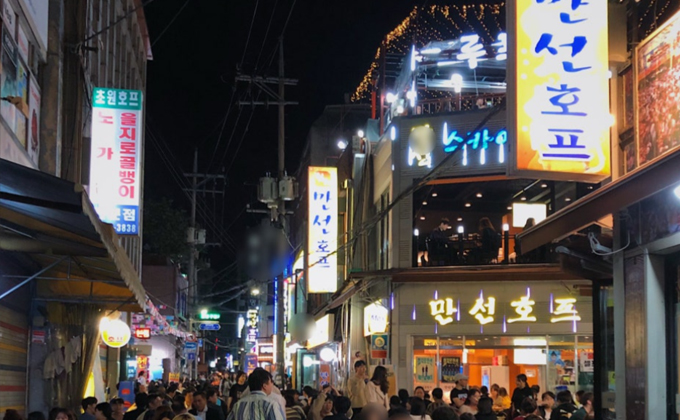
In daylight, Euljiro reads as a working industrial neighborhood. You notice the old signs, metal shutters, repair shops, motorcycles, and printing businesses that made the district what it is. After dark, the same alleys begin to reveal hidden bars, upper-floor cafés, and neon-lit gathering spots. Seeing both versions is the easiest way to understand why the area became famous in the first place.
Photograph textures, lines, and layers
Hipjiro is not at its best when you force overly posed influencer shots in every corner. The stronger images often come from signs, staircases, alley depth, reflected light, worn surfaces, and a person moving naturally through the frame. Think editorial street photography rather than staged portrait fantasy. The area rewards observation more than performance.
Leave room for unplanned discoveries
Many of the neighborhood’s most satisfying spaces are hidden in upper floors or behind doors that do not look inviting at all from the street. A dim staircase and an unmarked entrance can lead to a café, wine bar, listening room, or tiny creative venue. That sense of uncertainty is part of Hipjiro’s pleasure. Come with one or two destinations in mind, but let the rest remain flexible.
Things to Know Before You Go
Do not forget that many alley sections are real work zones during the day. Deliveries, carts, forklifts, scooters, and business activity take priority over tourist photos. Blocking storefronts or photographing workers’ faces without permission is one of the quickest ways to experience the area badly.
At night, the neighborhood can feel dim and slightly confusing in the best and worst ways. Old staircases may be steep, floors uneven, and seating limited at popular places. If a famous venue is crowded, the best move is often not to wait aggressively but to explore one more alley. Hipjiro rewards curiosity far more than fixation.
Quick Summary
- One of Seoul’s signature new-retro neighborhoods, where industrial history and contemporary nightlife overlap.
- Known for printing alleys, old signage, hidden bars, upper-floor cafés, and a strong BTS-linked retro image.
- Best understood by visiting both in daytime and after dark, when the same streets feel completely different.
- Strongest photos come from textures, depth, and candid movement rather than heavily posed shots.
- Respect local businesses and working traffic during the day, and watch your step on older stairways at night.
🗺️ Getting There (Google Maps)