
N Seoul Tower Observatory Travel Guide: The Essential Seoul View That Still Feels Worth It
If someone asked for one iconic spot that instantly explains the scale of Seoul, N Seoul Tower would still be one of the safest answers. Set on Namsan in the middle of the city, the tower gives you the kind of view that helps the whole urban layout click into place. Rivers, apartment grids, mountain edges, and dense neighborhoods all spread outward in a way that is difficult to grasp at street level.
It is also one of those attractions that has managed to remain relevant despite being a classic. Yes, it is famous. Yes, it is heavily visited. But it still works, especially for first-time travelers who want a recognizable Seoul experience with real payoff. Add in the cable car approach, the romantic pop-culture associations, and the long-standing “love locks” tradition, and it becomes more than just a lookout.
Why N Seoul Tower remains a classic
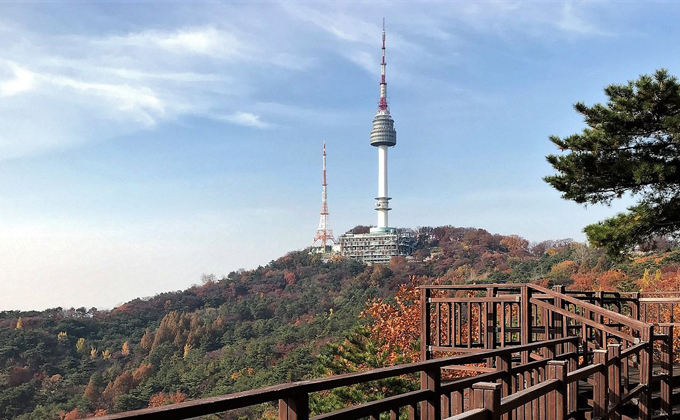
The tower combines broadcasting infrastructure with a public observatory and has long functioned as one of Seoul’s signature landmarks. Its location matters as much as the structure itself. Because it rises from Namsan, not just from street level, the observatory delivers a far-reaching panorama that feels immediately legible even to visitors who are only a few days into their trip.
Culturally, the site has also been reinforced by years of K-drama and Korean entertainment exposure. For many international visitors, it carries a familiar emotional image before they even arrive. The “love locks” area especially has become a ritual stop for couples, friend groups, and fans retracing scenes associated with Korean pop culture. Some travelers come for the skyline, some for the symbolism, and most end up appreciating both.
How to do the visit well
A little timing and route planning can make a big difference here.
Use the cable car if you want the full classic experience
Walking up Namsan is an option, but the cable car adds a sense of buildup that many visitors enjoy. As you rise above the hillside, the city gradually opens below you, and that transition becomes part of the memory. It is also useful if you want to conserve energy for the tower area itself rather than turning the outing into a long uphill effort.
Aim for the blue-hour window
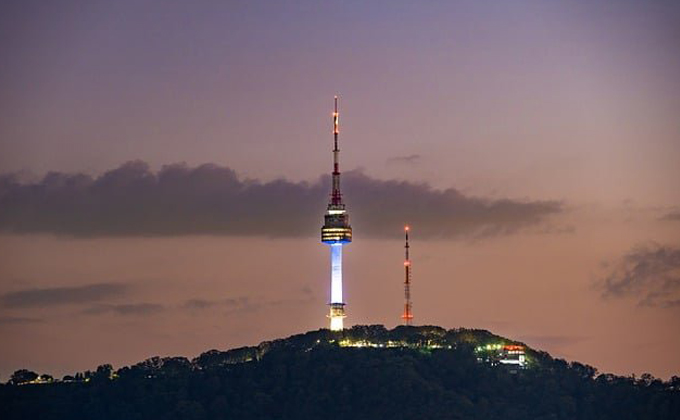
For the most rewarding observatory visit, try to arrive before full darkness rather than after it. The period when daylight is fading and city lights are beginning to switch on often produces the richest experience. You still get some detail in the sky and mountain outline, but the city below starts to sparkle. In photography terms, it is the sweet spot between flat daylight and fully black night.
Manage reflections when you shoot
Observation decks often challenge phone photography because of glare and window reflections. The easiest fix is to place your lens as close to the glass as possible. If interior lights are still interfering, use a dark sleeve, jacket, or even your hand around the lens to block stray reflections. It is a simple trick, but it can make the difference between a blurry reflection-heavy image and a clean skyline shot.
Spend time outside the observatory too
Do not treat the trip as “go up, look out, leave.” The tower base area has its own atmosphere, especially around sunset and evening. Outdoor viewpoints, the locks area, and the broad sense of elevation all contribute to the experience. Sometimes the mood outside the observatory is just as memorable as the actual view from inside.
Things to keep in mind before you go
N Seoul Tower is popular with both international visitors and local couples, so weekends, holidays, and prime sunset hours can get busy. If you dislike lines, arriving a bit earlier and lingering through dusk is often smoother than showing up right at the most crowded evening peak.
Because you are on a hilltop, temperatures and wind exposure can also feel sharper than in flatter parts of central Seoul. Even in seasons that feel mild at street level, having one extra layer is a smart move if you plan to stay outside to watch the light change.
Quick takeaways
- N Seoul Tower remains one of the easiest and most satisfying ways to understand Seoul’s scale from above.
- The cable car route adds a classic, scenic approach and is often more enjoyable than treating the trip as only a hill climb.
- The best timing is usually around sunset into blue hour, when you can enjoy both sky color and emerging city lights.
- The observatory is iconic, but the outdoor plaza, locks area, and hilltop atmosphere matter too.
- Expect crowds at prime times, and bring a layer because the summit can feel windier and cooler than the city below.