
Olympic Park Lone Tree Travel Guide: Seoul’s Quietest-Looking Famous Photo Spot
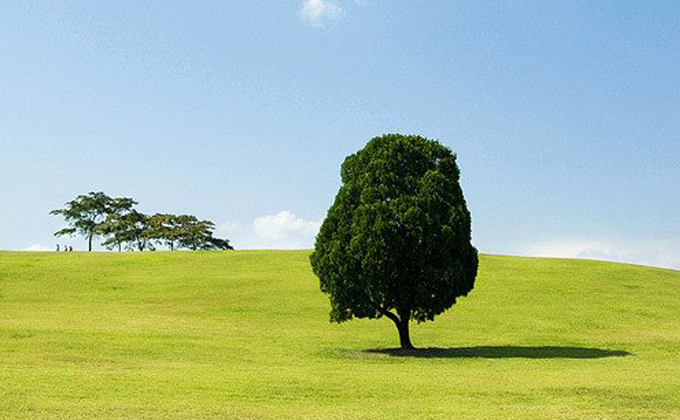
When people think of Seoul, they often picture neon signs, crowds, towers, and busy sidewalks. That is exactly why Olympic Park’s Lone Tree surprises so many visitors. In the middle of a major city, you suddenly get an image that feels stripped down to almost nothing: a large grassy slope, open sky, and one solitary tree. The scene is simple enough to look accidental, but visually it is incredibly strong. In person, that simplicity can feel surprisingly emotional because there is so little competing for your attention.
This is one of those places where the appeal is less about “things to do” and more about atmosphere. It has become a well-known photo spot because the emptiness around the tree gives every image breathing room. There is no complicated backdrop to compete with the subject. In a city that often feels visually dense, that kind of space lands differently.
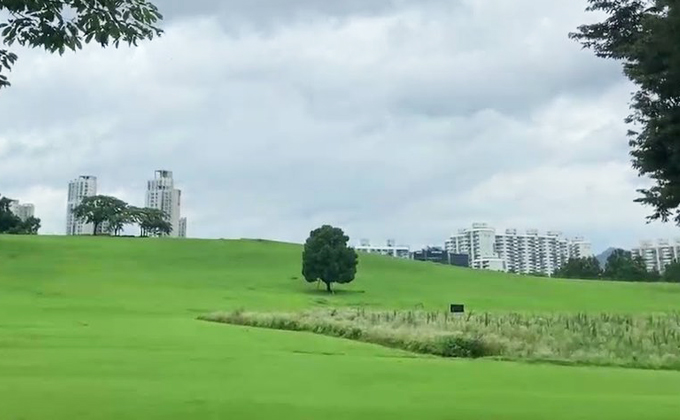
Why one tree became such a recognizable Seoul scene
Olympic Park itself was created in connection with the 1988 Seoul Olympics and remains one of the city’s largest public green spaces. The Lone Tree area gained popularity because it translates beautifully into photos. A single tree on a rolling hill automatically creates a focal point, while the sky and grass become clean negative space around it. The result feels calm, cinematic, and surprisingly emotional. It also gives the location an almost seasonal personality, since the same composition can feel fresh, golden, moody, or quietly dramatic depending on the month and the sky.
That simplicity is what makes the place work so well for travelers. You do not need professional gear, a complicated pose, or even special styling to get something memorable here. The location does a lot of the composition for you. Whether you are taking a solo portrait, a couple shot, a family travel photo, or just a landscape image, the visual formula is naturally strong.
How to enjoy it well
This is a place where small choices in timing and framing matter.
Back up instead of moving closer
A common first instinct is to walk directly up to the tree and photograph it at close range. Usually that weakens the effect. The stronger image often comes from stepping back and letting the openness remain visible. Keep plenty of grass in the lower part of the frame and plenty of sky in the upper part. If a person is included, making them smaller in relation to the tree often produces a more poetic result than filling the frame too tightly.
Visit when the light is softer
Midday can work, but strong overhead sun creates harsher shadows and flatter color. Late afternoon is generally better. The light becomes warmer, the slope looks more textured, and the park’s open landscape feels more cinematic. A day with a little cloud detail can also improve the atmosphere dramatically.
Turn it into a relaxed park stop, not a photo sprint
A lot of visitors arrive, take a few pictures, and leave too quickly. If your schedule allows, give the park more time. Olympic Park is large, peaceful, and good for a slower pace. Bringing a drink or snack and treating the outing like a mini picnic makes the visit feel less like content collection and more like an actual break in your trip. That slower approach usually leads to better photos too, because you stop reacting to the spot and start noticing how the light and space are changing around you.
Dress for walking, not only for photos
The park is broad, and the Lone Tree is not right at the subway gate. The walk itself is part of the visit. Comfortable shoes make a bigger difference than most people expect, especially if you plan to explore more of the park after you finish at the tree.
Things to keep in mind before you go
Olympic Park generally allows pedestrian access from early morning into late evening, but the park is huge, so walking times inside it are real. A quick “photo stop” can easily turn into much more walking than expected. Planning a little buffer time helps.
Shade can also be limited around open grass areas, especially in warmer months. Wind, heat, and sun exposure can feel stronger there than they do near the subway entrance or in nearby built-up streets. If you are visiting in summer or on a bright day, bring water, sun protection, and a hat. Finally, remember that this is not just a photo zone but part of a protected public park area. Staying on appropriate paths and treating the grounds carefully matters.
Quick takeaways
- The Lone Tree is one of Seoul’s best minimal photo spots, built around open grass, sky, and a single strong focal point.
- The location works best when you let the landscape stay spacious instead of moving too close to the tree.
- Late afternoon often gives the most flattering light and the most relaxed atmosphere.
- Olympic Park is worth treating as a broader green-space visit, not just a fast social-media stop.
- Wear comfortable shoes, expect walking, and bring sun protection if the weather is bright.
🗺️ Getting There (Google Maps)