
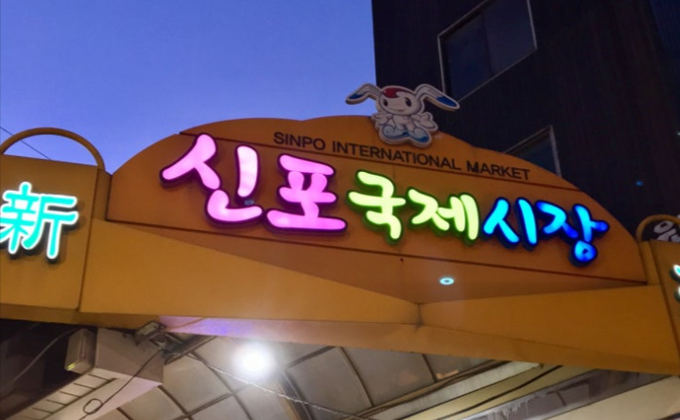
Sinpo International Market Travel Guide: One of Incheon’s Best Food Stops, Built on More Than a Century of Street-Market History
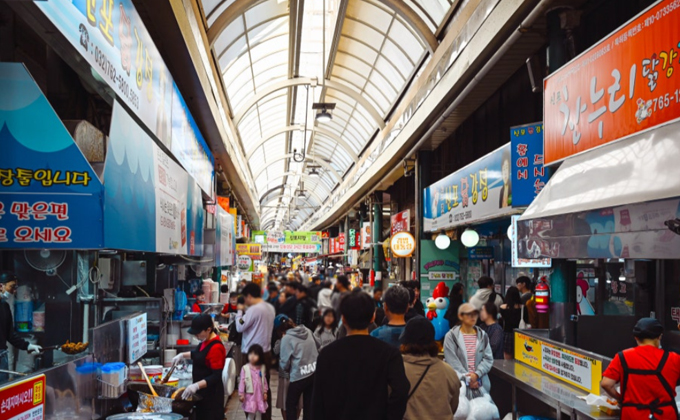
If you want an Incheon stop that feels busy, local, delicious, and immediately memorable, Sinpo International Market is hard to beat. It is one of those places where smell does half the work before you even decide what to eat. Fried chicken glaze, hot oil, fresh dough, steamed dumplings, and sweet bakery scents move through the alleys and make wandering itself feel like part of the meal.
The market is especially famous for Sinpo dakgangjeong, a crisp fried chicken dish coated in a sticky, sweet, spicy sauce that many Koreans treat as an iconic local specialty. But the market works because it offers more than one famous bite. It brings together open-port history, neighborhood food culture, and the dense visual energy that makes traditional Korean markets so satisfying for travelers.
Why the Market Matters Beyond a Single Signature Dish
Sinpo International Market traces its roots back to the late nineteenth century, when Incheon’s open-port environment brought foreign residents, imported goods, and new commercial patterns into the city. Over time, the area evolved into a long-running local market that reflects the city’s layered history rather than a single frozen era. That historical depth helps explain why the place feels more substantial than a food court built around one famous menu item.
Today, the market is packed with long-running stalls, practical neighborhood vendors, and food counters that mix nostalgia with constant turnover. It is the kind of place where travelers can see everyday Korean market behavior up close while also targeting a few famous specialties. In other words, it works equally well for first-time visitors and repeat food hunters.
How to Handle the Market Smartly So You Enjoy More and Wait Less
A little strategy makes a big difference here.
Do not line up for dakgangjeong the second you arrive
Because the signature chicken shop often has a long line, a smarter move is to walk the market first, scan the side snacks, and then decide when to join the queue. That way, you use your time well instead of spending your first twenty or thirty minutes standing still with no feel for the rest of the market.
Think in layers: one hero dish, then several smaller snacks
Yes, dakgangjeong is the headline item. But Sinpo also shines when you add a few supporting bites. Dumplings, pastries, hot snacks, and bread-style treats make the outing richer and help justify the trip as a full market experience rather than a one-stop food pickup.
Link the market with Chinatown and the historic open-port district
One of the market’s biggest advantages is location. After eating, you can continue on foot toward Incheon Chinatown or the nearby open-port streets with preserved modern-era architecture. That creates a broader half-day route that moves naturally from food to history to city walking.
Things to Keep in Mind Before You Go
Like many popular Korean markets, Sinpo can become intensely crowded on weekends and during dinner-adjacent hours. The aisles may narrow quickly once lines form, so large luggage is a nuisance both for you and for everyone else. If you are moving through Incheon before a flight or train, store heavy bags first if possible.
Small cash is also worth carrying even though many vendors take cards. Quick, low-value market purchases tend to go more smoothly when you are not depending on one payment method for every transaction.
Quick takeaways
- Sinpo International Market is one of Incheon’s most rewarding traditional market food stops.
- The market’s roots go back to the open-port era, giving it stronger historical depth than a simple food alley.
- Sinpo dakgangjeong is the must-try signature dish, but the wider snack selection is part of the real appeal.
- A smarter strategy is to scout first, queue later, and build a multi-snack visit.
- The market connects easily to Incheon Chinatown and the historic open-port district for a fuller half-day route.