
Seochon Travel Guide: A Low-Rise, Artistic Seoul Neighborhood Where Time, Texture, and Small Discoveries Matter More Than Big Landmarks
If Bukchon often feels like Seoul’s most photogenic traditional district, Seochon feels like one of its most human. Spread west of Gyeongbokgung Palace, Seochon is not about one giant iconic view. It is about old laundries beside espresso bars, narrow alleys beside galleries, quiet residential corners beside small shops with strong personality. The neighborhood rewards curiosity rather than checklist tourism.
That is why many people fall for it. Seochon does not try too hard. It is lower, softer, and less ceremonious than some of Seoul’s better-known heritage areas. Historically associated with writers, painters, and cultural figures, it still carries a creative, observant mood that makes wandering feel productive even when you do not have a fixed destination. In travel terms, it is one of the best places in Seoul to let your day loosen up.
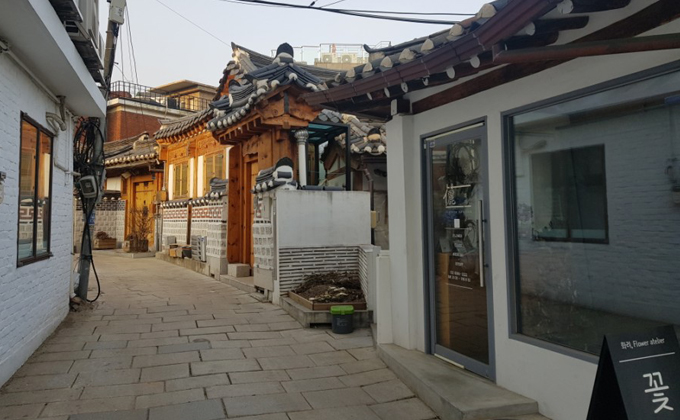
Why Seochon Feels Distinct from Nearby Traditional Districts
Seochon’s identity comes from overlap. Older homes, hanok structures, modest storefronts, independent bookstores, galleries, workshops, and small modern cafés all sit close enough together that no single version of the neighborhood fully dominates. That layered mix is what gives Seochon its emotional texture.
The area also carries a long cultural memory. It has been associated with artists, literati, and creative life for generations, and contemporary Seoul has not erased that legacy so much as translated it. Today, the result is not a museum district but a living neighborhood where creative energy survives in smaller, less theatrical ways.
How to Enjoy Seochon the Way It Is Best Experienced
This is a neighborhood for wandering with attention rather than conquering with speed.
Let side streets guide you
Seochon is at its best when you are willing to turn into smaller alleys without needing every stop to be famous in advance. A beautiful wall texture, a tiny gallery, a half-hidden café, or an unexpected shop window often becomes the best part of the route. If you over-plan Seochon, you may accidentally flatten it.
Take breaks inside spaces that still feel local in scale
Many of the neighborhood’s most satisfying cafés and shops feel personal rather than corporate. That makes them ideal resting points. A short break in a renovated hanok café or a small independent space often tells you more about Seochon’s mood than rushing through ten photo spots without sitting down once.
Add Tongin Market for food and contrast
Tongin Market fits Seochon naturally and helps complete the outing. The market adds traditional snack energy and a more obviously local rhythm to an already texture-rich walk. If you want one food element that strengthens the route without overwhelming it, this is usually the smartest choice.
Things to Keep in Mind Before You Go
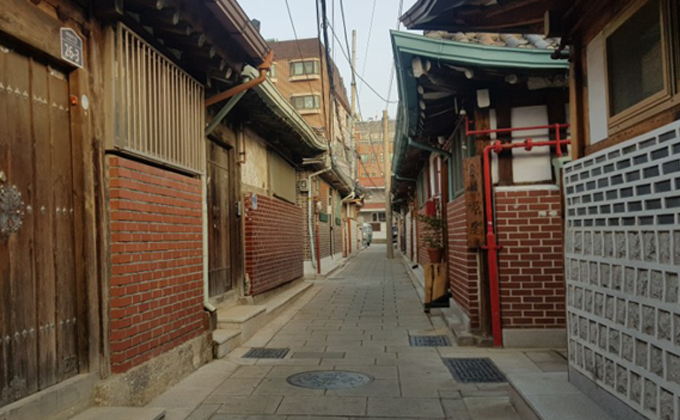
Like Bukchon, Seochon is still a real residential area. The fact that it feels stylish and open does not mean every doorway or lane should be treated as a studio set. Keep your voice down, avoid blocking alleys for long photo sessions, and do not intrude on private homes or private thresholds.
Because the streets are narrow and vehicle access is tight, be careful about where you stop. Scooters, local cars, and delivery traffic still use these lanes. The best Seochon walk is observant, unhurried, and considerate of movement around you.
Quick takeaways
- Seochon is one of Seoul’s most rewarding neighborhoods for travelers who enjoy alleys, cafés, and small creative discoveries.
- The area’s charm comes from its layered mix of old residential texture and contemporary cultural life.
- Wandering works better here than over-planning every stop.
- Tongin Market is an excellent add-on if you want food without breaking the neighborhood’s mood.
- Quiet, respectful walking matters because Seochon remains an active residential district.
🗺️ Getting There (Google Maps)