
Seoul Gwangjang Market Travel Guide: A Classic Seoul Food Experience with 120 Years of Heat, Noise, and Flavor
If you want one market in Seoul that feels undeniably alive the second you step into it, Gwangjang Market is an easy answer. The atmosphere hits immediately. You get the scent of hot oil, the sound of constant orders, rows of people eating shoulder to shoulder, and a density of food stalls that makes the place feel less like a shopping site and more like a giant edible theater. It is not polished, and that is exactly why people remember it.
For international visitors, Gwangjang Market often becomes a gateway to traditional market culture in Korea. It is old, famous, loud, and crowded, but also unusually rewarding if you lean into the experience instead of trying to control every detail. The best approach is to arrive hungry, stay flexible, and treat the market as both a meal and a cultural scene.
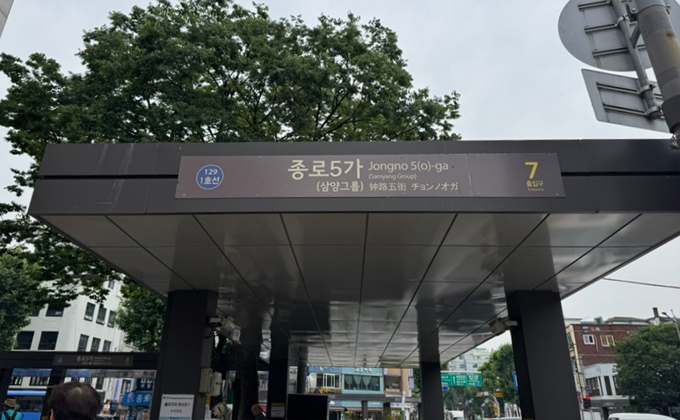
Korea’s First Permanent Market and One of Seoul’s Great Food Stages
According to official tourism introductions, Gwangjang Market dates back to 1905 and is widely recognized as Korea’s first permanent market. That history matters because the place does not feel like a newly curated attraction. It feels like a long-running urban organism that has continued adapting while holding onto the market energy that built its reputation.
The heart of the experience is the food alley area, where dishes that might seem simple on paper become unforgettable through smell, texture, and context. Bindaetteok sizzling on giant pans, freshly cut yukhoe, hand-made noodles, market snacks, and sweet desserts all gather in tight proximity. That concentration is part of the thrill. You are not coming for a single plate. You are coming for the stacked sensory impact of the whole place.
A Practical Eating Strategy for Travelers Who Want the Best of the Market Without Burning Out
Gwangjang Market can overwhelm people who arrive without a plan, so it helps to approach it as a sequence rather than a random food binge.
Begin with bindaetteok and a simple side dish pairing
A classic first move is to order mung bean pancake, or bindaetteok, from one of the famous stalls. Crispy on the outside and soft inside, it is filling without being too heavy if you share it. Pairing it with a small order of mini seaweed rice rolls or another light bite helps you sample more than one signature market flavor early on without spending your appetite too fast.
Move to the yukhoe area if you want something more distinctively Seoul-market
After the pancake, head deeper into the market for yukhoe, the seasoned raw beef dish that has become one of the site’s defining specialties. For some travelers, this is the meal they talk about most afterward. The cool, fresh texture of the beef, the subtle sweetness from pear, and the richness of sesame oil create a combination that feels both refined and unmistakably market-rooted. If you are adventurous, this is one of the strongest dishes to try.
End with a dessert or snack while walking out
Part of the pleasure of Gwangjang is that the finish can be as memorable as the main meal. Twisted donuts, hotteok, or other sweet market snacks make good final bites, especially if you are about to continue sightseeing rather than sit down for another full meal. The market rewards pacing, not overcommitting.
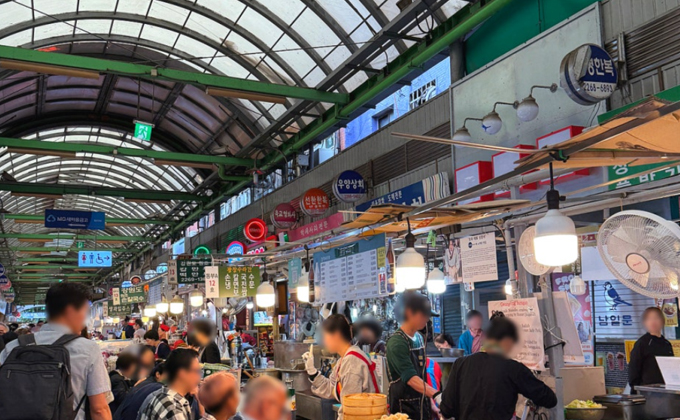
What to keep in mind before you visit
The Korean source notes that a general operating time such as 9:00 a.m. to 6:00 p.m. may be used as a broad reference, but actual hours vary a lot from stall to stall. That is the most important thing to understand. Some vendors close early once ingredients sell out, others focus more on lunch or evening traffic, and not every famous stand is active at the same time.
Crowds are another real factor. On weekends and at prime meal times, the narrow lanes can become packed and slow-moving. Travel light, keep bags compact, and bring some cash just in case, even though card payment is increasingly common. A slightly earlier visit usually feels more manageable and lets you choose more freely instead of grabbing the first open seat you find.
Quick recap
- Gwangjang Market is one of Seoul’s most famous traditional markets and one of the city’s strongest food experiences.
- Its history, density, and nonstop atmosphere make it memorable even before you take your first bite.
- Bindaetteok is a smart place to start, while yukhoe is one of the market’s most iconic specialty dishes.
- The best way to enjoy the market is to eat in stages rather than trying to do everything at once.
- Go a little earlier if possible, expect crowds, and remember that stall hours can vary significantly.
🗺️ Getting There (Google Maps)