
Seoul Jongno 3-ga Pojangmacha Street Travel Guide: Warm Late-Night Food and Real Seoul Atmosphere Under Orange Tent Covers
If you have watched enough Korean dramas, you have probably seen the classic late-night scene: exhausted people sitting inside a makeshift street tent, sharing hot food and a bottle of soju while the city hums outside. Jongno 3-ga Pojangmacha Street is one of the best places in Seoul to experience that atmosphere in real life rather than on a screen.
Set near old commercial streets and within reach of some of central Seoul’s most walkable neighborhoods, this area feels different from the city’s polished shopping districts. The orange tent covers, simple plastic tables, sizzling pans, and constant flow of workers, couples, and groups of friends create a mood that is warm, messy, lively, and unmistakably local.
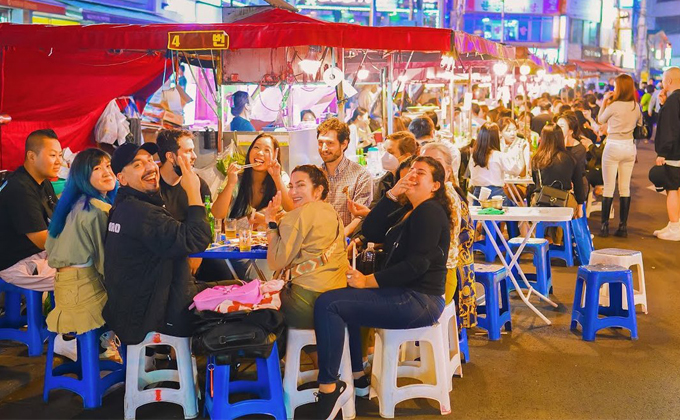
A Street-Food Zone That Opens Up Around Exit 6 of Jongno 3-ga Station
VISITKOREA information places the area around Jongno 3-ga Station Exit 6, toward the Nakwon Arcade side, in the broader Gwan-su-dong area of central Seoul. As evening arrives, stalls begin to set up one by one, and the street gradually transforms into a full late-night dining strip.
The most important practical point is that hours and closure days vary by stall. These are not standardized restaurant chains with one system. Some stalls may open later than others, some may close early depending on weather or business conditions, and some popular spots may fill up quickly. That unpredictability is part of the culture. You are not visiting a staged tourist installation. You are stepping into a living, working slice of Seoul’s real late-night food scene.
How to Enjoy It More Comfortably as a First-Time Visitor
The area can feel intimidating at first, but a few simple strategies make it much easier to enjoy.
Use Picture Menus and Start with Signature Dishes
Even if you are not fluent in Korean, ordering is more manageable than many first-time visitors expect. A lot of stalls now use picture menus or clearly listed dishes. If you want an easy entry point, look for comforting options such as rolled omelet (gyeran-mari), udon, or spicy grilled items. Watching the owner cook right in front of you is part of the experience, so do not treat the meal as only about the final dish.
Pair It with Ikseon-dong or Insadong Earlier in the Day
One of the smartest ways to enjoy Jongno is to build a full-day route around it. Spend the afternoon walking through Insadong for traditional shops or Ikseon-dong for trendy hanok cafes, then make your way toward Jongno 3-ga after dark for dinner and drinks. That contrast between historical daytime Seoul and intimate late-night street food makes the neighborhood especially memorable.
Enjoy the Crowd, Not Just the Food
At a pojangmacha, people-watching is part of the meal. The close tables, overlapping conversations, laughter, steam, and flashing lights create an atmosphere that is difficult to recreate anywhere else. If you take photos, the orange tent material and warm bulbs overhead naturally create a cinematic look that feels straight out of a Korean drama.
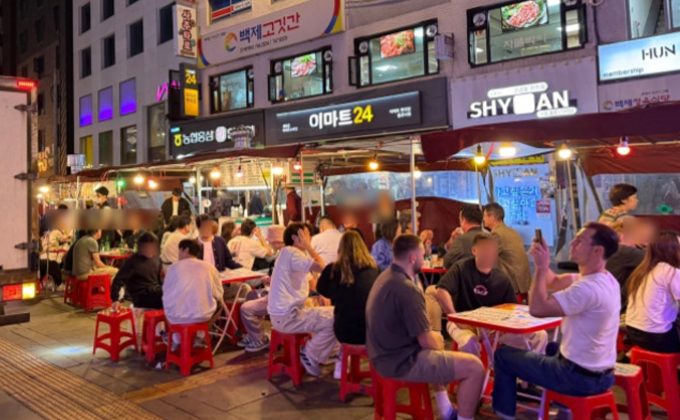
Things to Keep in Mind
Although many stalls now accept cards, carrying a small amount of cash in Korean won still makes things easier. It can help avoid awkward delays, and some smaller or more old-school vendors may still prefer simpler payment methods. Another practical issue is that pojangmacha stalls generally do not have private restrooms inside, so it helps to know where the nearest subway-station or public restroom is before you settle in.
After around 9:00 p.m., the street becomes much busier. Seating is tight, so bringing bulky shopping bags is inconvenient. Popular stalls may also have short waits, especially on weekends. In colder months, remember that this is still essentially an outdoor space under tent cover, so dressing warmly makes a big difference.
Key Takeaways
- Jongno 3-ga Pojangmacha Street is one of Seoul’s most atmospheric places for classic Korean late-night tent-stall dining.
- The area is easy to approach from Exit 6 of Jongno 3-ga Station and pairs well with nearby daytime neighborhoods like Insadong and Ikseon-dong.
- Picture menus make ordering easier, and dishes like rolled omelet, udon, and grilled snacks are approachable starting points.
- The food matters, but so does the crowd energy, which is a huge part of why the street feels so memorable.
- Bring a little cash, pack light, and dress for the season because the street gets crowded and remains partly open-air.
🗺️ How to Get There (Google Maps)