
Paju DMZ Tour Travel Guide: A Rare Chance to See Korea’s Division and Modern History Up Close
If your Korea trip has already shown you the country’s pop culture, food, and city energy, the DMZ tour in Paju offers something very different: a direct encounter with the unresolved tension that still shapes the Korean Peninsula. It is not a normal sightseeing stop. It is a place where history feels current, rules are strict, and even the bus ride carries a very different emotional weight from a standard day trip.
For many international travelers, the most memorable parts of the route are the Third Tunnel and Dora Observatory. Together, they turn abstract textbook knowledge into something physical and immediate. Instead of simply reading that Korea remains divided, you stand in a controlled border area and feel what that reality means.
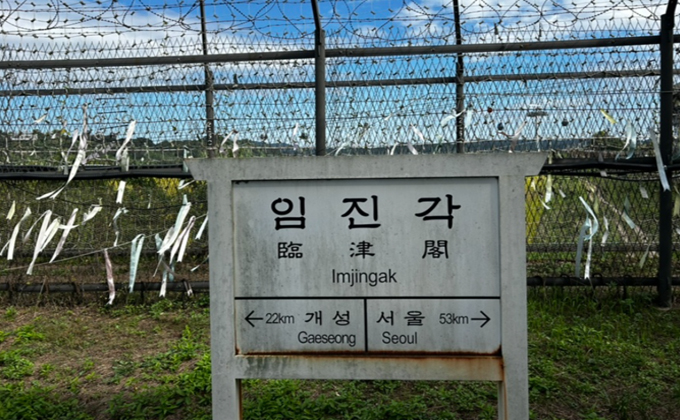
A Controlled Tour Area Where Identification and Procedures Matter
Unlike an ordinary attraction, the DMZ is not a place you casually walk into on your own. Access is generally handled through an officially operated or officially connected tour system, and passport or valid identification is essential. Because this is a military-controlled area, entry can be denied even if you arrive on time but fail the identity check.
One of the most significant stops is the Third Tunnel, an infiltration tunnel discovered underground and now open as part of the tour experience. Visitors typically choose either a walking route or a monorail-supported option, depending on the current tour format and ticket structure. The other major highlight is Dora Observatory, where you can look toward North Korea and grasp just how close, and yet how distant, the two sides remain.
Smart Ways to Make the Experience More Meaningful
This is one of the few tours in Korea where preparation affects not just convenience but whether you are allowed to enter at all.
Double-Check Your Passport Before Departure
The single most important thing to verify is that your passport is physically with you, not left in a hotel safe or bag you are not carrying. Travelers sometimes assume a phone photo of their passport is enough, but this is not the kind of destination where an informal substitute is likely to work. Treat the identity check as seriously as an airport-style requirement.
Use Dora Observatory as a Reflection Point, Not Just a Lookout
At Dora Observatory, the instinct is often to rush to the windows, take a quick photo from the permitted area, and move on. But this place is much more powerful if you pause. Looking across the border toward the northern side makes the separation feel geographically close and emotionally complex. It is one of the rare travel moments in Korea where silence says more than a long explanation.
Add Imjingak to Balance the Emotional Tone of the Day
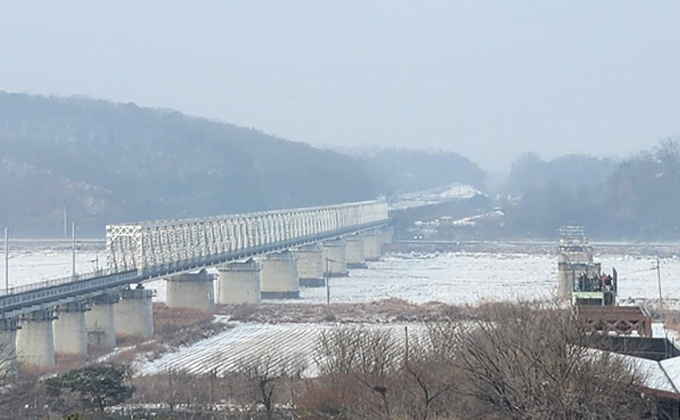
Many DMZ itineraries begin or end near Imjingak and the surrounding peace-themed area. This matters because the main DMZ stops can feel heavy, even for travelers who arrived simply out of curiosity. Spending a little time in the open park area helps frame the experience in terms of remembrance, longing, and peace rather than just tension.
Things to Keep in Mind
Because this is a sensitive security zone, schedules can change without the kind of flexibility travelers expect elsewhere. Tours may be closed on certain days, including some Mondays and selected holidays, and they can also be adjusted or canceled depending on military conditions. That means advance reservation is important, but checking same-day operating conditions is equally important.
Photography is another area where normal tourist behavior does not always apply. Some areas permit photos only from designated lines or only in certain directions, while other sections restrict them completely. Follow guide instructions carefully and avoid treating the area like an open photo playground.
Key Takeaways
- The Paju DMZ tour is one of Korea’s most historically meaningful experiences, not just another sightseeing stop.
- A valid passport or approved identification is essential because access involves military-controlled procedures.
- The Third Tunnel and Dora Observatory are the core highlights for understanding the reality of Korea’s division.
- Imjingak helps round out the day by adding a broader peace-and-memory context to the border visit.
- Schedules, access rules, and photography permissions can change, so listening closely to official guidance is part of the experience.
🗺️ How to Get There (Google Maps)