
Yongin Korean Folk Village Travel Guide: Step Into a Living Joseon-Era Set Instead of Just Looking at History from a Distance
If you enjoy Korean historical dramas, Korean Folk Village in Yongin can feel surprisingly close to stepping inside one. This is not a small museum where a few buildings are placed behind ropes. It is a large-scale cultural theme park where houses, government offices, village roads, performers, and seasonal events work together to create an atmosphere that feels much more alive than a standard heritage display.
That is exactly why the site appeals to a wide range of travelers. Drama fans come for the visual familiarity. Families come for the performances and entertainment. International visitors who want to understand Joseon-era daily life come because the village presents history in a form that is easier to experience than a purely academic exhibition. It is one of the most accessible traditional-culture destinations near Seoul.
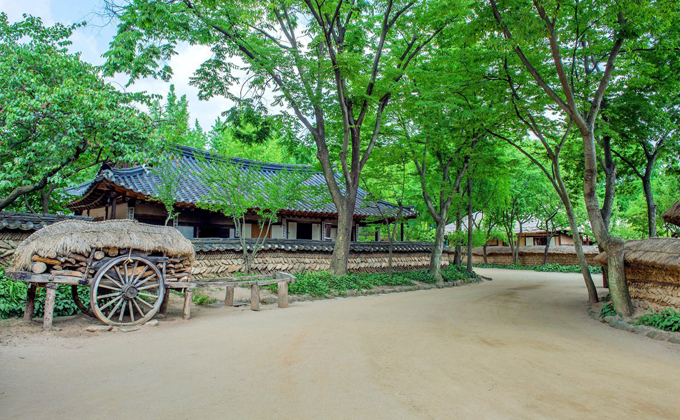
A Large Cultural Theme Park with Performances, Character Actors, and All-Day Value
Tourism guidance typically describes Korean Folk Village as operating year-round, generally from 10:00 a.m. to 6:30 p.m., with extended hours during some seasonal night events. The standard adult admission fee of around 37,000 won may look substantial at first glance, but the site is large enough and varied enough to justify building an entire day around it.
What makes the experience special is that the village does not rely only on architecture. Costumed performers and character actors add movement, humor, and energy. That means the space does not feel like frozen history. Instead, it feels like history staged in a way that is approachable, photogenic, and fun even for travelers who do not already know much about Joseon life.
How to Enjoy the Village More Effectively
Because the grounds are broad and the program schedule matters, a little planning improves the experience dramatically.
Rent Hanbok Early if Photos Matter to You
One of the easiest ways to make the day feel more immersive is to rent hanbok either near the entrance or from a nearby rental shop before you arrive. The tiled roofs, stone walls, wooden courtyards, and village streets look especially striking when you are dressed for the setting. Even travelers who normally feel shy about costume-style experiences often find that the photos look more natural here than they expected.
Build Your Route Around the Performance Schedule
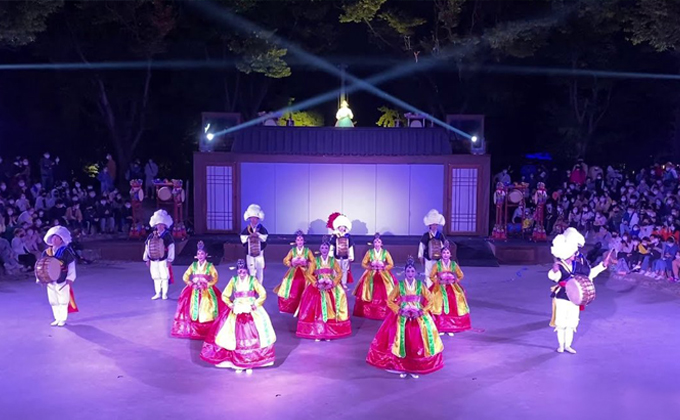
Outdoor shows are a major part of the appeal, especially equestrian martial arts performances and traditional music-based folk entertainment. These shows give the village rhythm and help break up walking time. Instead of wandering randomly and discovering you missed the day’s best program, take a photo of the schedule or check it in advance and organize your route around the performance times.
Use the Market Area as a Midday Reset
The on-site market-style dining area is more than a place to eat. It helps complete the illusion of the setting. Sitting down for Korean dishes in a rustic environment, especially after a long walk through the village, gives the day a much more rounded feel. It is one of the best moments to slow down before heading back out for more sightseeing and photos.
Things to Keep in Mind
The site is large, and much of the walking surface includes dirt roads, stone paths, and outdoor terrain. Comfortable shoes matter much more here than at a regular urban attraction. If you wear shoes purely for style, you may end up cutting the visit short earlier than planned.
It is also worth remembering that seasonal programming can change the overall mood significantly. Night openings, themed festivals, and special events can extend hours and add completely different visual elements. Checking the official schedule before you go helps you decide whether you want a calmer daytime cultural visit or a busier event-style experience.
Key Takeaways
- Korean Folk Village is one of the best places near Seoul to experience traditional Korean architecture and Joseon-era atmosphere in a lively format.
- Standard hours are generally 10:00 to 18:30, and the all-day ticket is designed for a full, not rushed, visit.
- Hanbok rental makes the experience and the photos much stronger, especially for travelers who love historical drama aesthetics.
- Live performances are one of the village’s biggest strengths, so scheduling your route around them is highly recommended.
- Comfortable shoes, weather awareness, and a full-day mindset will help you enjoy the site much more fully.