
Gyeongju Bulguksa Temple Travel Guide: One of the Most Important Places to Understand Silla Art, Faith, and Architectural Balance
If Gyeongju is often called Korea’s ancient capital, Bulguksa Temple is one of the clearest reasons why. For many travelers, it becomes the spiritual and visual center of a Gyeongju itinerary. This is not only because it is famous, but because it allows you to feel how architecture, religion, landscape, and stone craftsmanship were brought into harmony during the Silla period.
As a UNESCO World Heritage Site, Bulguksa is often introduced as a must-see landmark, but the real value of the temple becomes clearer when you move slowly through it. The site rewards patience. Stone stairways, wooden halls, layered courtyards, and the famous pagodas create one of the strongest examples in Korea of beauty expressed through balance rather than excess.
A Temple Completed in the Silla Era and Still Central to Korea’s Cultural Identity
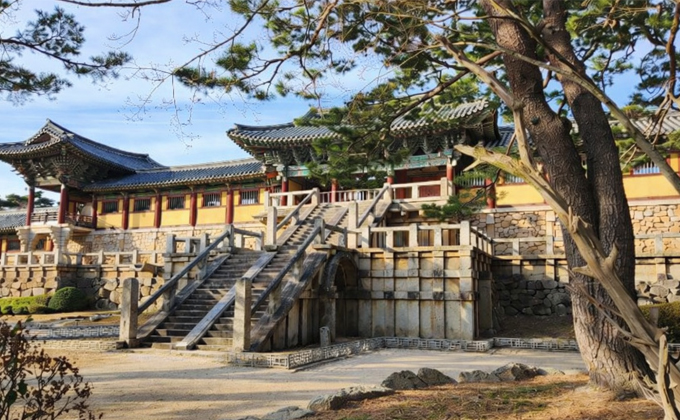
Bulguksa is widely associated with the height of Silla Buddhist culture, and the temple in its historic form is commonly linked to the 8th century, with completion in 774 often referenced in cultural guidance. Even without knowing every historical detail, most visitors immediately notice that the site feels carefully composed rather than accidental. Every approach, staircase, and courtyard creates a sense of order.
The two most famous stone monuments are Dabotap and Seokgatap, standing in front of the main hall area. They are often discussed together because they show two very different design languages. Dabotap is elaborate and visually complex, while Seokgatap is restrained and calm. Seeing them side by side is one of the best ways to understand how Korean temple aesthetics often value contrast held in balance.
Practical Ways to Appreciate Bulguksa More Deeply
You do not need specialist knowledge to enjoy Bulguksa well, but a few simple viewing habits can make the visit much richer.
Photograph the Stone Stairway Approach First
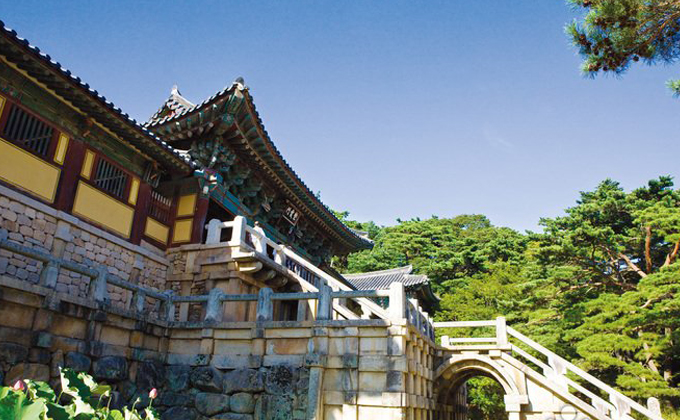
One of the best introductory views is near the famous stone stairways, including the bridges that lead upward into the temple zone. From below, the layered relationship between stone base and wooden structure becomes much more dramatic. This angle captures the sense of ascent that is central to the temple’s design.
Slow Down in Front of Dabotap Instead of Rushing to the Main Hall
Many travelers aim their camera at Dabotap because it appears on the Korean ten-won coin, then move on quickly. But the closer you look, the more the carvings and proportions reveal. Taking time here helps you see why the pagoda is admired not only as a symbol but as an extraordinary piece of stone workmanship.
Pair Bulguksa with Seokguram if Time Allows
If your Gyeongju schedule can handle a larger heritage-focused day, combining Bulguksa with nearby Seokguram Grotto creates one of the strongest cultural itineraries in Korea. Bulguksa gives you the architectural world above ground; Seokguram offers a very different, more concentrated expression of Buddhist sculpture and sacred atmosphere.
Things to Keep in Mind
General tourism information commonly lists Bulguksa visitor hours around 09:00 to 18:00, with visitors expected to finish leaving later in the evening depending on the site’s exit guidance. Admission is currently presented as free, which makes the temple easier to include even in a flexible travel plan. Parking and transportation-related costs can still apply separately.
Because this is an active religious and cultural site, quiet behavior matters. Flash photography, loud talking, and casual treatment of sacred spaces can quickly feel out of place. Also, although the grounds are manageable, there is enough walking and enough slope that supportive shoes are still the better choice.
Key Takeaways
- Bulguksa is one of Korea’s most important temple sites and a core stop for understanding Gyeongju’s Silla heritage.
- As a UNESCO World Heritage Site, it combines historical significance with unusually strong visual harmony.
- Dabotap and Seokgatap are the temple’s most famous paired highlights and are best appreciated as a contrast in style.
- The temple works especially well as part of a combined Bulguksa-and-Seokguram day trip.
- Respectful behavior, slow observation, and comfortable shoes will improve the visit much more than trying to rush through it.