
Jinhae Gyeonghwa Station Cherry Blossom Road Travel Guide: Why This Former Railway Stop Became One of Korea’s Most Iconic Spring Photo Spots
If you have ever seen a Korea spring photo where soft pink blossoms seem to swallow an entire railway line, there is a good chance you were looking at Gyeonghwa Station Cherry Blossom Road in Jinhae. The appeal of this place comes from contrast. The steel track, the stillness of the station zone, and the fragile softness of the blossoms work together in a way that feels both nostalgic and cinematic.
Although trains no longer stop here in the way they once did, that change is also what made the site such a strong seasonal destination. The absence of normal station movement lets the cherry blossom setting become the main event. In spring, the space feels less like transport infrastructure and more like a stage built for one very short, very photogenic season.
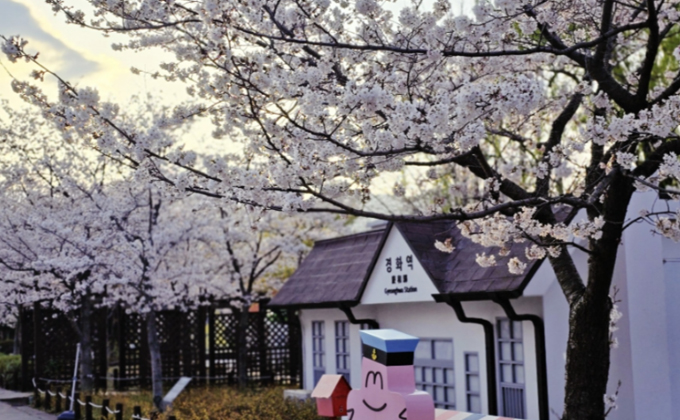
A Railway That No Longer Functions Normally, Yet Became More Famous Because of It
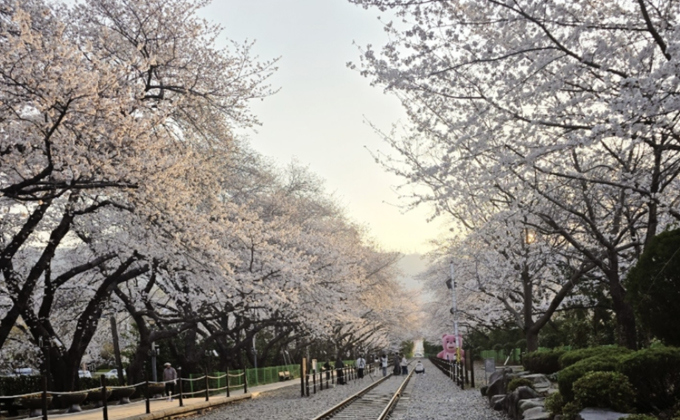
Tourism information typically explains that Gyeonghwa Station is known today less as an operating passenger station and more as a cherry blossom landmark. The rails remain the emotional center of the experience, and the route lined with blossom trees is often described as extending for roughly 800 meters, creating a tunnel-like effect in peak bloom.
Another important visual element is the train car or railway display maintained for visitors. That stationary rail image helps complete the scene people come for: blossom petals, track lines, and the feeling that time has paused. It is the kind of place where even casual phone photos can look unexpectedly dramatic if the blossoms are at their peak.
How to Enjoy the Site More Smoothly During Blossom Season
The biggest challenge at Gyeonghwa is not finding beauty. It is navigating the crowd and timing your visit well enough to experience that beauty without constant interruption.
Aim for Early Morning if You Want Cleaner Photos
Because the area is generally accessible without a heavy gate-style entry system, going early in the morning is one of the smartest moves you can make. Once the main festival crowds arrive, getting a shot without other people becomes much harder. Morning light also tends to make the pink tones look fresher and less harsh than midday light.
Use the Track Perspective Instead of Only Taking Close-Ups
It is tempting to photograph only the blossoms overhead, but the stronger image usually comes from including the rails. Let the tracks create long perspective lines and place a person walking naturally somewhere in the frame. That combination does a better job of conveying the scale and storybook mood of the site.
Pair It with Yeojwacheon for a Fuller Jinhae Day
Gyeonghwa gives you the railway-and-blossom mood. Yeojwacheon gives you a waterway-and-bridge cherry blossom mood. Visiting both on the same day creates much more variety than spending all your time at only one location. Together, they form the classic Jinhae spring route many travelers aim for.
Things to Keep in Mind
During the peak cherry blossom season, especially around festival dates, the area can become extremely crowded and traffic into Jinhae can be very slow. Public transportation or festival shuttle options are often a better strategy than relying entirely on a private car or taxi for the full day.
Also, because safety management may change depending on crowd volume, some sections of the rail area may be guided, fenced, or controlled differently from what you expected based on older photos online. Following local staff instructions matters more than chasing a specific social-media angle.
Key Takeaways
- Gyeonghwa Station is one of Korea’s most recognizable spring locations because the railway setting gives the cherry blossoms a unique visual drama.
- The site works best when the blossoms are near peak bloom and when you visit early enough to avoid the densest crowds.
- Rail-line perspective photos are usually stronger than simple blossom close-ups, especially for travel portraits.
- Pairing Gyeonghwa with Yeojwacheon creates a more complete and varied Jinhae cherry blossom itinerary.
- Transport congestion is a real part of the spring experience here, so build extra time into your schedule.
🗺️ How to Get There (Google Maps)